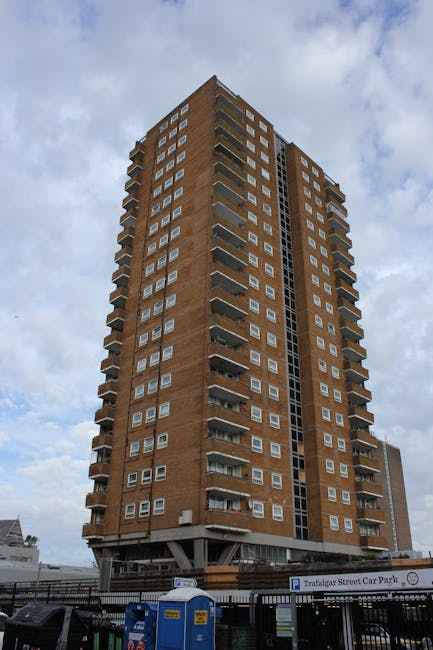
Heygate Estate upholstery cleaning in Elephant and Castle
Posted on 02/09/2026

Heygate Estate upholstery cleaning in Elephant and Castle: a practical guide for homes, flats, and busy lives
If your sofa is looking a little tired, the armchair has picked up a mystery mark, or the dining chairs are holding on to last week's dinner smell, you are not alone. Heygate Estate upholstery cleaning in Elephant and Castle is one of those jobs people put off until the grime becomes impossible to ignore. Then, suddenly, it matters a lot.
This guide walks through what upholstery cleaning actually involves, why it matters in a place like Heygate Estate, how the process works, and what to look for before you book. It is written for real homes and real routines: rental flats, family sofas, shared houses, and the occasional office chair that has seen better days. We will also cover mistakes to avoid, practical checklists, and the sort of questions people ask when they want a proper answer, not fluff.
To put it simply, if you want furniture that looks cleaner, smells fresher, and lasts longer, you are in the right place.
Why Heygate Estate upholstery cleaning in Elephant and Castle matters
Upholstery takes a beating in ways people often do not notice day to day. A sofa catches body oils, dust, snack crumbs, pet dander, spilled drinks, and the odd muddy patch from shoes or bags. Curtains and cushions collect airborne dust too. By the time the fabric starts looking dull, the problem is usually deeper than the surface.
That matters even more in Heygate Estate and the wider Elephant and Castle area, where homes often have compact layouts, active households, and furniture that works hard. In a smaller flat, one sofa can be the centre of everything: lounging, hosting, working, eating, and the occasional nap after a long commute. It shows.
Regular upholstery cleaning helps preserve fabric appearance and texture. It also helps reduce lingering odours and visible marks, which is especially useful if you are preparing for guests, move-out inspections, or simply want your living room to feel less "lived-in chaos" and more calm again. Let's face it, furniture can quietly drag the whole room down when it looks grubby.
For residents comparing services in the area, it can be helpful to look at the broader cleaning picture too. Some people pair upholstery care with deep cleaning in Elephant and Castle, while others coordinate with domestic cleaning or a seasonal refresh such as spring cleaning in Elephant and Castle. That wider approach often makes the whole place feel new, not just one item of furniture.
Expert summary: upholstery cleaning is not just about looks. Done properly, it supports fabric care, freshness, and a more comfortable home environment - especially where furniture gets heavy everyday use.
How Heygate Estate upholstery cleaning in Elephant and Castle works
Most professional upholstery cleaning jobs follow a fairly clear process, although the exact approach depends on the fabric, stain type, and condition of the item. The key is matching the method to the material. A good cleaner will not just steam everything and hope for the best. That's a fast route to trouble.
Here is the usual flow:
- Inspection and fibre identification - The cleaner checks the fabric type, condition, construction, and any care labels. Natural fibres, blends, synthetics, velvet, and delicate finishes all need different handling.
- Dry soil removal - Loose dust, crumbs, and debris are removed first. This step is easy to overlook, but it matters because grit can otherwise get worked deeper into the fabric during cleaning.
- Spot testing - A small hidden area is tested with the chosen solution. That helps reduce the risk of colour bleed or texture change.
- Pre-treatment - Stains, traffic marks, or heavily soiled areas are treated before the main clean.
- Primary cleaning - Depending on the item, this may involve hot water extraction, low-moisture cleaning, dry cleaning, or a specialist method for delicate fabrics.
- Rinse or residue control - Any remaining detergent is managed carefully to avoid sticky residue, which can attract dirt later. Annoying, but common when jobs are rushed.
- Drying - Airflow and sensible drying conditions are important. Good ventilation helps furniture dry evenly and prevents musty smells.
- Final grooming and review - The fabric pile is reset where needed, and the cleaner checks the finish.
If you are already thinking about other soft furnishings, there is useful overlap with the guidance in safe curtain washing methods. Curtains, cushions, and upholstered furniture share a common principle: fabric responds best when the treatment matches the material, not the mood.
In practical terms, a decent upholstery clean should leave the item refreshed, not over-wet, sticky, or oddly flattened. If a sofa feels damp for too long or smells strongly of chemicals afterwards, something may have gone wrong.
Key benefits and practical advantages
The obvious benefit is visual. Clean upholstery looks better. But the real value goes a bit further than that.
- Improved appearance - faded-looking fabrics often regain some brightness and structure after a proper clean.
- Better indoor freshness - odours from food, pets, and everyday use are reduced.
- Longer fabric life - dirt works like sandpaper over time; removing it helps the textile last longer.
- More comfortable living spaces - clean seating simply feels nicer to use. Simple, but true.
- Helpful for landlords, tenants, and sharers - upholstery in furnished lets can make a strong impression at inspections or handovers.
- Better presentation for guests or clients - useful in home offices, waiting rooms, or small business settings.
There is also a psychological benefit people rarely mention. A clean sofa changes how a room feels. You sit down and the space feels cared for. Not perfect, not staged - just looked after. That matters more than many think.
If your wider home needs attention, you might also look at house cleaning in Elephant and Castle or office cleaning where upholstery is part of a bigger upkeep routine. It is often the combination, not one single service, that delivers the best result.
Who this is for and when it makes sense
Upholstery cleaning is not only for obvious stains. In fact, one of the biggest mistakes people make is waiting until there is a visible disaster before they act. By then, the fabric may need more intensive treatment.
This service makes sense if you are:
- a homeowner wanting to refresh sofas, dining chairs, or headboards;
- a tenant preparing for the end of a tenancy or a move;
- a landlord keeping furnished property presentable between lets;
- a busy family dealing with spills, daily wear, and general "life happens" marks;
- a pet owner who wants to reduce odours and trapped hair;
- an office or studio owner with upholstered seating that sees heavy use;
- someone who has already completed a broader clean and wants the furniture to match the rest of the space.
When does it make sense to book? A few common triggers:
- the sofa looks dull even after vacuuming;
- there is a lingering smell you cannot quite place;
- drinks or food have left marks;
- you are changing seasons and want a reset;
- you are moving out, moving in, or hosting guests;
- you simply want the room to feel cleaner without replacing furniture.
Truth be told, if you are already noticing it, the furniture has probably been ready for attention for a while.
Step-by-step guidance
If you are booking or planning a clean for the first time, a little preparation goes a long way. Here is a practical way to handle it.
- Check the fabric label or care information
Look for cleaning codes or manufacturer guidance if you still have it. These guide what methods are suitable. If you are not sure, that is normal. Many people are not. - Identify the problem areas
Note stains, smells, pet areas, and high-contact zones such as armrests and headrests. Point these out at the start. It saves time later. - Clear the space around the furniture
Move small items, blankets, and cushions if possible. Access matters more than people think, especially in compact Heygate Estate flats. - Vacuum first if you can
A quick vacuum helps remove loose dirt. If you are booking a professional clean, they may handle this themselves, but it does not hurt to tidy first. - Discuss fabric risks openly
Delicate fabrics, older upholstery, and colour-fastness issues should be mentioned before work starts. A careful cleaner will appreciate the honesty. - Choose the right method
Some items need low-moisture treatment. Some benefit from hot water extraction. Some require a gentler specialist approach. There is no single magic wand here. - Allow proper drying time
Do not rush to sit on it immediately. Open windows where possible and keep airflow moving. - Review the result before the team leaves
Check the treated areas in good light. Morning light near a window can reveal marks that evening lamps hide. Worth doing.
If you are comparing services and want more context on broader cleaning packages, the services overview and pricing and quotes pages can help you understand what usually sits alongside upholstery care. No need to guess blindly.
Expert tips for better results
A few small choices can make a real difference. Most are simple, but they are the sort of thing that saves annoyance later.
- Act quickly on spills - blot, don't rub. Rubbing spreads the stain and pushes it deeper into the fibres.
- Test cleaning products carefully - even mild products can affect dyes or finishes on some fabrics.
- Mind the drying stage - good airflow is part of the clean. It is not an afterthought.
- Vacuum regularly between professional cleans - this keeps soil from building up in the pile or weave.
- Rotate cushions - even wear helps furniture last longer and look more even.
- Use covers thoughtfully - covers can protect high-use furniture, but they need washing too, otherwise they just hide the problem.
- Book before the situation gets bad - a fabric in decent condition is easier to refresh than one that has been neglected for years.
One small but useful detail: if you have velvet or similar pile fabrics, brushing the nap gently after cleaning can help restore the look. Do it only when the fabric is fully dry. Rush that step and you may flatten the finish - not ideal.
For broader upkeep, some readers like to pair furniture care with one-off cleaning in Elephant and Castle. That can be a sensible move before family visits, letting agents, or the annual "right, we're sorting this place out" moment.

Common mistakes to avoid
Most upholstery damage does not happen because people do nothing. It happens because they do the wrong thing in a hurry. We have all been there, to be fair.
- Using too much water - over-wetting can leave rings, delay drying, and encourage odours.
- Scrubbing aggressively - friction can damage fibres or spread the stain.
- Skipping a patch test - this is how small risks become visible regrets.
- Using the wrong product on delicate fabric - velvet, silk blends, and some natural fibres need extra care.
- Assuming all sofas are cleaned the same way - they are not. Not even close.
- Forgetting about drying conditions - a clean that dries badly can still smell wrong later.
- Ignoring the frame and cushions - a surface-only clean may miss the actual problem.
Another common one: people see a stain lighten slightly and stop too soon. Then the mark returns after drying because residue was left behind. It happens a lot, especially with DIY cleaning. A proper finish matters.
Tools, resources and recommendations
You do not need to own a van full of gear to keep upholstery in decent shape. A few sensible tools are enough for routine care.
- Vacuum cleaner with upholstery attachment - useful for regular maintenance and dust removal.
- Soft brush or fabric brush - helps lift dust and restore pile gently.
- Microfibre cloths - good for blotting spills without pushing them around.
- White towels - helpful when blotting, because coloured towels can transfer dye.
- Fans or steady airflow - drying support matters more than people expect.
- Gentle, fabric-appropriate treatment products - only when they suit the material and the cleaning code.
For practical planning, it can also help to understand how upholstery fits into wider property care. If you are preparing a rental or managing a flat turnover, the pages on end of tenancy cleaning and carpet cleaning in Elephant and Castle are useful companion reads. Furniture, flooring, and general cleanliness tend to rise or fall together.
You may also find local lifestyle and property articles useful for context around the area, such as local tips for life in Elephant and Castle or the guide to property in Elephant and Castle. A bit of neighbourhood understanding goes a long way, especially when space is tight and schedules are busy.
Law, compliance, standards, or best practice
For upholstery cleaning, the main compliance question is usually not about a special law unique to the task. It is more about sensible professional practice, care, and safety. That said, good providers should still work in line with general UK expectations around safe work, suitable chemicals, and honest service descriptions.
In plain English, that means a cleaner should:
- work carefully with client property;
- use appropriate products for the fabric type;
- consider ventilation and drying safety;
- avoid making claims they cannot support;
- explain limits where fabric condition or previous damage makes full restoration unlikely.
Best practice also includes clear communication about pricing, access, and what is included in the visit. If a company provides supporting pages like health and safety policy, insurance and safety information, and terms and conditions, that is usually a good sign. It shows the business has thought beyond the surface clean.
For privacy and payment reassurance, you may also want to review privacy policy, payment and security, and the company's about us information. Trust is not just about the result. It is about the whole process.
If you ever need to raise a concern, it helps when a provider has a clear complaints procedure. Good service does not mean perfection every time, but it should mean accountability.
Options, methods, or comparison table
Different upholstery fabrics and conditions call for different methods. The right choice depends on the item, not just the stain. Here is a straightforward comparison.
| Method | Best for | Pros | Watch-outs |
|---|---|---|---|
| Hot water extraction | Many durable upholstered items with deeper soil | Strong cleaning power, good for embedded dirt | Can over-wet delicate fabrics if used carelessly |
| Low-moisture cleaning | Moderately soiled furniture, quicker turnaround needs | Shorter drying time, less saturation | May be less effective on heavy staining |
| Dry or specialist fabric care | Delicate fibres, velvet, sensitive upholstery | Gentler handling, lower risk of water marks | Requires experience and careful product selection |
| Spot treatment only | Small isolated marks | Fast and targeted | Does not solve overall dullness or odour |
In a real home, the answer is often not "which method is best?" but "which method is safest and most effective for this particular fabric?" That is the better question. Always.
For people building a broader plan around home care, upholstery cleaning in Elephant and Castle sits neatly alongside other services like domestic or deep cleaning, especially if the furniture and flooring both need attention.
Case study or real-world example
Imagine a two-bedroom flat near Heygate Estate with a light-coloured fabric sofa, two dining chairs, and a single armchair in a small living room. Over time, the sofa has picked up coffee marks on one arm, dust along the back cushions, and that general dull look that comes from constant use. Nothing dramatic. Just everyday life, slowly visible.
The resident is getting ready for visitors and wants the place to feel fresher without replacing furniture. The cleaner inspects the sofa, identifies the fabric type, tests a hidden section, and chooses a careful low-moisture approach for the main body, with targeted stain work on the armrest and seat area. The dining chairs get lighter treatment because they are in better condition. The armchair needs extra attention around the headrest where oils and daily contact have built up.
After cleaning, the room feels noticeably lighter. The sofa no longer draws the eye for the wrong reasons. The smell is cleaner, the pile looks more even, and the furniture feels better to sit on. Nothing magical. Just a sensible job done properly.
That kind of result is common when the right method is matched to the fabric and the client gives clear information up front. The difference between "fine" and "really good" is often in those first few minutes of assessment. A bit boring, maybe. Very important though.
Practical checklist
Use this checklist before booking or starting any upholstery clean. It keeps things simple and avoids avoidable mistakes.
- Identify the furniture pieces that need attention.
- Check care labels or any existing cleaning instructions.
- Make a note of stains, smells, or heavily used areas.
- Decide whether you need a one-off clean or broader home cleaning support.
- Clear access around sofas, chairs, and footstools.
- Ask what method is planned and why it suits your fabric.
- Confirm drying expectations before work begins.
- Ask about insurance, safety, and what happens if the fabric is delicate.
- Review the final result in good light.
- Keep a simple maintenance routine afterwards: vacuum, blot spills, and avoid overloading the fabric.
If you want to make the next step easy, you can browse the latest updates on the blog or compare related service information before you decide. Sometimes a bit of reading now saves a lot of back-and-forth later.
Get a free quote today and see how much you can save.
Conclusion
Heygate Estate upholstery cleaning in Elephant and Castle is about more than removing a few marks. It is about restoring comfort, protecting fabric, and making your home feel properly looked after. In a busy part of London, where furniture gets used hard and rooms often do several jobs at once, that practical benefit is worth a lot.
The best results usually come from a straightforward combination: the right method, clear communication, careful drying, and realistic expectations. If a sofa is in decent shape, a good clean can make it feel almost surprising again. Not brand new, perhaps - but fresh enough to change the whole room. And that's a good feeling.
If you are weighing up your next move, start with the fabric, the condition, and the kind of result you want. The rest tends to follow. Calmly. Sensibly. One piece of furniture at a time.